Equine osteopathy

For horses of every breed and size

From Shetland pony to draught horse, from happy hacker to sport horse: every horse deserves a body that moves freely. Jolanda treats at your stable, in surroundings your horse knows and trusts.

Why osteopathy for horses?

A horse is built to move, but what we ask of horses is not always what nature intended. Carrying a rider, one-sided training, a saddle that doesn’t quite fit, a fall in the field or bringing a young horse on too quickly: all of it can leave traces in the body. The horse compensates cleverly and for a long time, until the reserves run out. Then the complaints appear that you feel and see as an owner or rider, often somewhere quite different from where it all began.

The osteopath looks not only for where the horse is restricted now, but also for why. By examining the whole body and gently releasing restrictions, the horse gets the chance to rediscover its natural balance and suppleness.

Signals

When to consider osteopathy?

Don’t focus on a single sign, but on the pattern: a horse that is ‘not quite itself’.

Under saddle

  • Stiffness; difficulty with flexion, bend or yielding
  • Crookedness, rhythm faults or inconsistent contact
  • Trouble striking off in canter, wrong lead, disunited canter
  • Stumbling, dragging or rushing
  • Difficulty collecting, hollow back
  • Resistance: bucking, napping, leaning on the bit
  • Disappointing performance, unexplained lameness
Handling & behaviour

  • Sensitive or defensive when grooming or touching
  • Biting or kicking when saddling and girthing
  • Restlessness, unable to stand still, tension
  • Headshaking
  • Sudden change in character or mood
  • Withdrawing from contact with rider or herd

Health & breeding

  • Recurring colic sensitivity, digestive issues
  • Dull coat, poor shedding, lowered resistance
  • Recovery after a fall, trauma or illness
  • Mare cycle and fertility issues
  • Neck and back complaints in breeding stallions
  • Preventive check of young or older horses

Acute colic, fever or a wound? Always call your veterinarian first. Osteopathy complements veterinary care, it does not replace it.

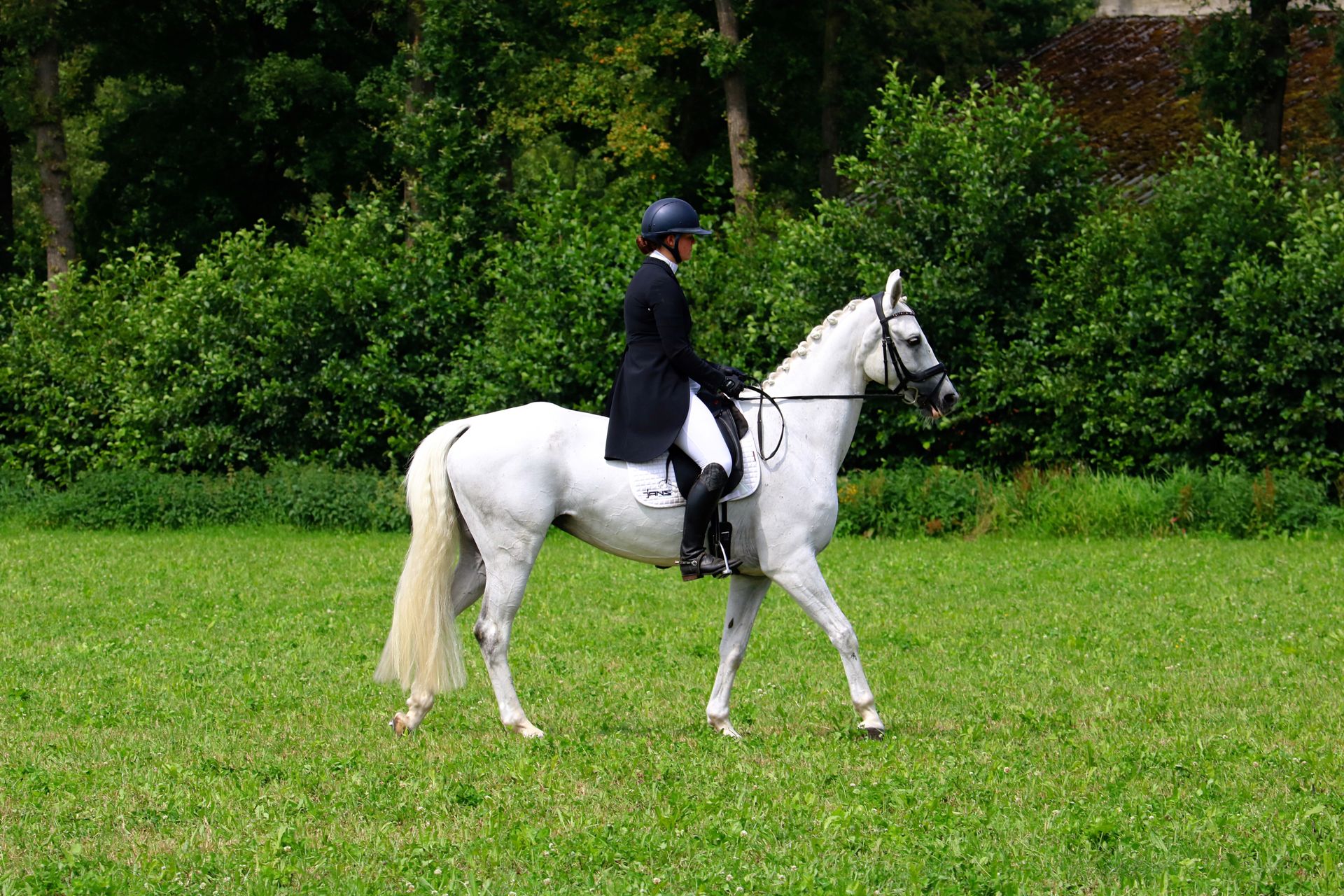
Dressage rider on a white horse in green surroundings

Sport & leisure

Suppleness you can feel in the saddle

For sport horses, osteopathy can make the difference between ‘almost’ and ‘just right’: a freer shoulder, a carrying back, an honest contact. Because nothing is added to the body, no substances, no injections, treatment also fits around competition.

Many riders choose a preventive check once or twice a year, or at the start and end of the season. Small restrictions are released before they become complaints.

How a treatment works

Good to know

What to expect

  • Duration: a consultation usually takes 60 to 75 minutes, including history, examination, treatment and advice.
  • Number of treatments: one treatment is often enough; sometimes a second follows after 4 to 6 weeks.
  • After-effect: the body keeps processing for up to six weeks after the treatment.
  • Aftercare: you receive a clear rest and rebuilding plan, plus advice on training, tack and management.
  • Acupressure: where useful, Jolanda complements the treatment with acupressure, calming and supportive.
Book for your horse
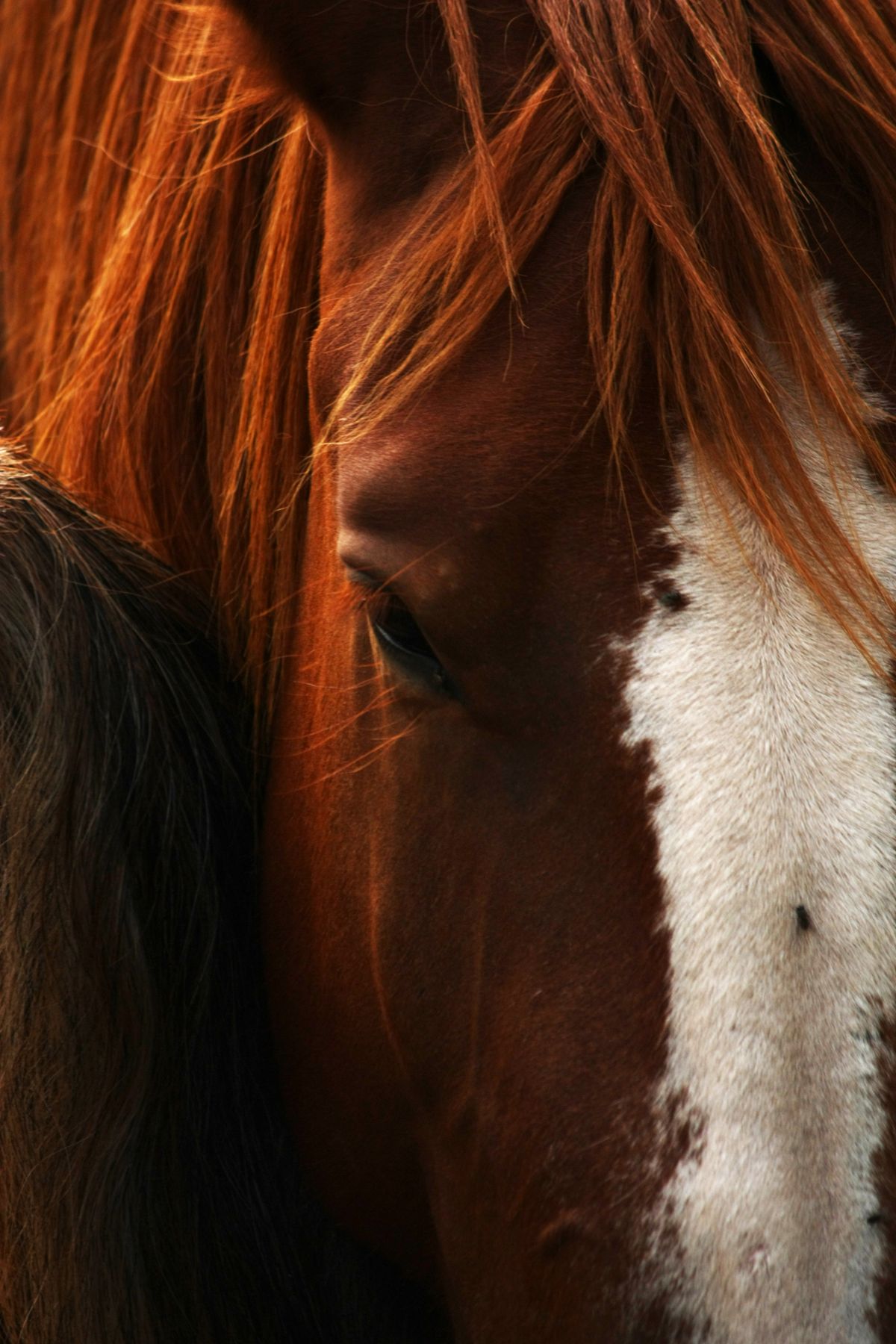
Close-up of a chestnut horse's eye and mane

At your stable, wherever that is

Treatment in familiar surroundings

Jolanda comes to your stable, in the Netherlands, Germany, Belgium and Luxembourg. Your horse stays relaxed, and she sees it move where it feels at home.

Rates & working area